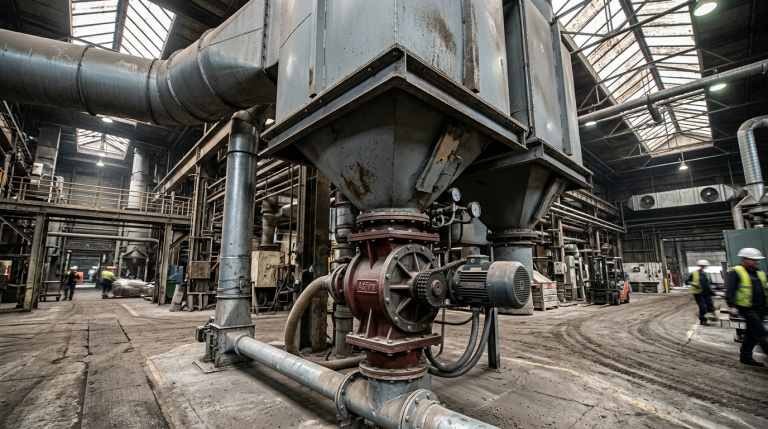
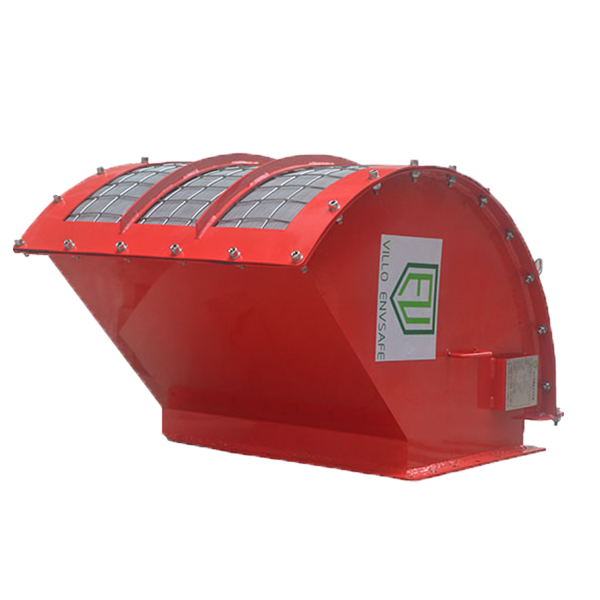
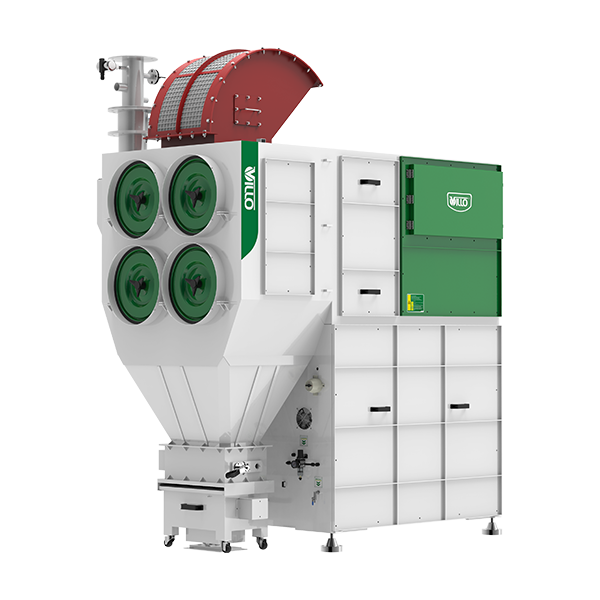
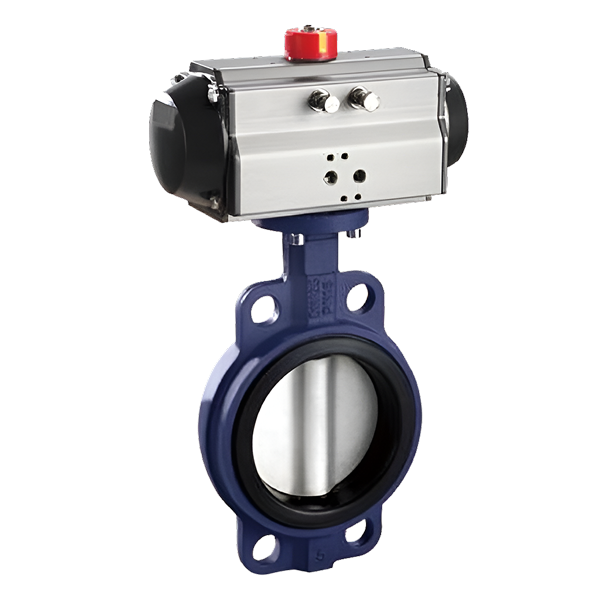
วาล์วโรตารีและอุปกรณ์แยกเดี่ยวมีหน้าที่หนึ่งเดียว นั่นคือ หยุดลูกไฟหรือคลื่นแรงดันในภาชนะลำเดียวไม่ให้วิ่งไปตามท่อและจุดไฟทุกสิ่งที่เชื่อมต่ออยู่ วาล์วโรตารีทำได้โดยการป้อนวัสดุผ่านโรเตอร์ที่หมุนอย่างต่อเนื่องซึ่งทำหน้าที่เป็นซีลเชิงกล โดยจะปิดกั้นเปลวไฟไม่ให้ผ่านระหว่างตัวกรอง ไซโคลน หรือไซโลกับส่วนที่เหลือของระบบ หากไม่มีตราประทับนั้น หรืออุปกรณ์แยกเดี่ยวที่เทียบเท่า เหตุการณ์การจุดระเบิดเพียงครั้งเดียวในอุปกรณ์ชิ้นเดียวอาจกลายเป็นเหตุการณ์ที่เกิดขึ้นทั่วทั้งโรงงานได้ในเวลาไม่ถึงครึ่งวินาที
เหตุใดการแยกตัวจึงมีความสำคัญมากกว่าการระเบิด
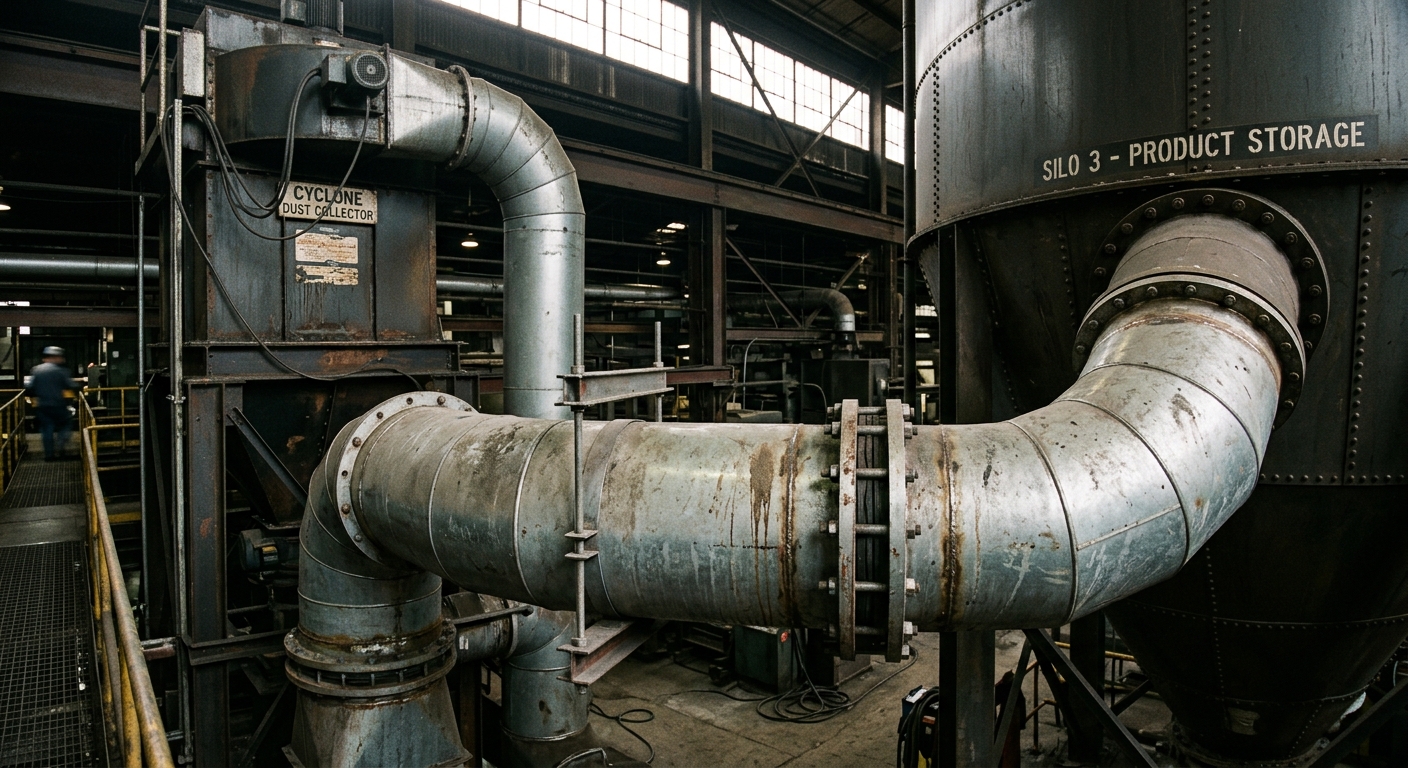
ความจริงที่น่าอึดอัดใจก็คือ การบาดเจ็บจากการระเบิดของฝุ่นส่วนใหญ่ไม่ได้เกิดจากการจุดระเบิดครั้งแรก มาจากการระเบิดครั้งที่สองที่เกิดขึ้นเมื่อเปลวไฟหรือแรงดันเดินทางผ่านท่อที่เชื่อมต่อกัน และพบว่ามีแหล่งเชื้อเพลิงที่สอง สาม หรือสี่รออยู่ในถังอื่น หน้าเปลวไฟสามารถเคลื่อนที่ผ่านท่อด้วยความเร็วเกิน 20 ม./วินาที ไปถึงท่อปลายน้ำภายในไม่กี่วินาที
นั่นคือเหตุผลที่ NFPA 69 และมาตรฐานยุโรปที่เทียบเท่าถือว่าการแยกส่วนเป็นอุปกรณ์บังคับในการระบายอากาศหรือการระงับ ไม่ใช่อุปกรณ์เสริมเสริม หากคุณกำลังชั่งน้ำหนักการระบายอากาศเทียบกับการแยกส่วนสำหรับโรงงานของคุณเอง บทความก่อนหน้านี้ของเราเกี่ยวกับการแยกการระเบิดเทียบกับการระบายการระเบิดจะอธิบายเมื่อมีการใช้แต่ละกลยุทธ์ วาล์วโรตารีและอุปกรณ์แยกคือสิ่งที่ปิดประตูไฟก่อนที่จะลุกลาม การระบายอากาศเกี่ยวข้องกับแรงดัน ส่วนการแยกเกี่ยวข้องกับการแพร่กระจาย
โรตารีวาล์วบล็อกหน้าเปลวไฟได้อย่างไร
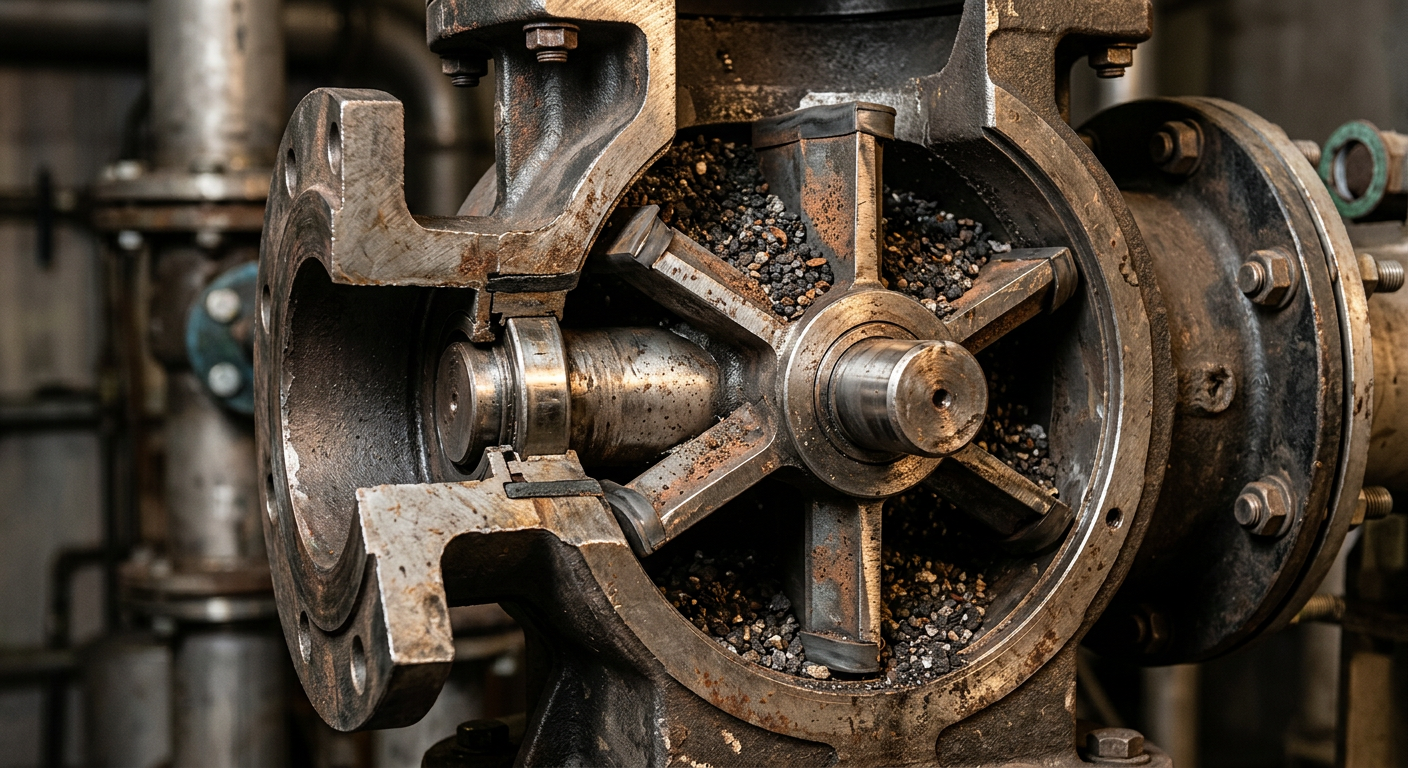
วาล์วหมุนไม่ได้ถูกออกแบบมาให้เป็นอุปกรณ์นิรภัยก่อน แต่เป็นอุปกรณ์วัดแสงที่ทำหน้าที่เป็นแผงกั้นการระเบิดเป็นสองเท่า โรเตอร์หมุนอย่างต่อเนื่อง และใบพัดที่มีความทนทานต่ำ (โดยทั่วไปจะมีระยะห่างจากตัวเครื่อง 0.1-0.3 มม.) หมายความว่าไม่มีทางเปิดเป็นทางตรงผ่านวาล์ว วัสดุหล่นลงในกระเป๋าด้านหนึ่ง โรเตอร์หมุน และปล่อยออกมาอีกด้านหนึ่ง เปลวไฟไม่สามารถมองเห็นแนวที่สะอาดผ่านได้
การรับรองไม่ใช่ทางเลือก
ไม่ใช่ว่าโรตารีวาล์วทุกตัวจะมีคุณสมบัติเป็นอุปกรณ์แยกส่วน เพื่อให้ได้รับการจัดอันดับเป็นสิ่งกั้นเปลวไฟ วาล์วจะต้องได้รับการทดสอบและรับรองตามค่าผสม KSt/Pmax เฉพาะ — ค่าความรุนแรงของการระเบิดสำหรับฝุ่นเฉพาะของคุณ วาล์วที่ได้รับการรับรองสำหรับ KSt 200 bar·m/s ไม่จำเป็นต้องต้านทานการระเบิดของฝุ่นอะลูมิเนียม KSt 300 จับคู่ใบรับรองของวาล์วกับการวิเคราะห์อันตรายจากฝุ่นของคุณเสมอ ไม่ใช่แค่ขนาดทางกายภาพเท่านั้น
อุปสรรคในการแยกสารเคมี: เร็วกว่า แต่ซับซ้อนกว่า
เมื่อวาล์วโรตารีใช้งานไม่ได้ เช่น ท่อยาว ท่อลำเลียงแบบนิวแมติกความเร็วสูง หรือท่อขนาดใหญ่เกินไปสำหรับการซีลเชิงกล อุปสรรคในการแยกสารเคมีจะเข้ามาแทนที่ ระบบเหล่านี้ใช้เซ็นเซอร์ความดันหรือออปติคัลเพื่อตรวจจับสัญญาณแรกสุดของการระเบิด จากนั้นยิงผงระงับการระเบิดไปทั่วท่อภายในเวลาเป็นมิลลิวินาที ทำให้เกิดกำแพงที่ทำให้เปลวไฟของออกซิเจนอดอาหารก่อนที่มันจะผ่านไป
การแลกเปลี่ยนคือความซับซ้อน ขณะนี้ คุณกำลังจัดการเซ็นเซอร์ตรวจจับ แผงควบคุม ถังเก็บสารระงับ และการทดสอบการทำงานประจำปี เทียบกับวาล์วโรตารีที่เปิดทำงานตลอดเวลา สำหรับโรงงานที่ใช้กระบวนการการผลิตแบตเตอรี่ลิเธียมที่มีฝุ่นโลหะเผาไหม้อย่างรวดเร็ว ความเร็วและความซับซ้อนที่เพิ่มขึ้นนั้นมักจะคุ้มค่า เนื่องจากค่า KSt สูงเกินกว่าที่อุปกรณ์แบบพาสซีฟจะตามทัน
วาล์วลูกลอยและวาล์วพนัง: ตัวเลือกแบบพาสซีฟที่ถูกมองข้าม
ไม่ใช่ทุกจุดแยกจะต้องมีเซ็นเซอร์และแผงควบคุม วาล์วลูกลอยและวาล์วพนังอาศัยหลักฟิสิกส์เพียงอย่างเดียว คลื่นความดันจากการระเบิดจะกระแทกวาล์วให้ปิดก่อนที่เปลวไฟจะตามมา การแกว่งพนังลูกตุ้มปิดภายใต้ความแตกต่างของแรงดัน วาล์วลูกลอยจะถูกผลักเข้าไปในที่นั่งด้วยแรงเท่ากัน
มีราคาถูก ไม่ต้องใช้พลังงาน และตอบสนองภายในเวลาเพียง 10 มิลลิวินาที สิ่งที่จับได้: ทำงานได้อย่างน่าเชื่อถือเฉพาะในการวางแนวและรูปทรงท่อที่เฉพาะเจาะจงเท่านั้น และไม่สามารถดัดแปลงเข้ากับทุกเลย์เอาต์ได้ สำหรับท่อแนวนอนแบบตรงไปตรงมาที่ป้อนถุงเดียว วาล์วปีกผีเสื้อมักจะเป็นตัวเลือกการแยกส่วนที่คุ้มค่าที่สุดบนโต๊ะ — ไม่มีเหตุผลที่จะต้องออกแบบมากเกินไป
สถานการณ์ในโลกแห่งความเป็นจริง: สิ่งอำนวยความสะดวกในการจัดการกับเมล็ดพืช
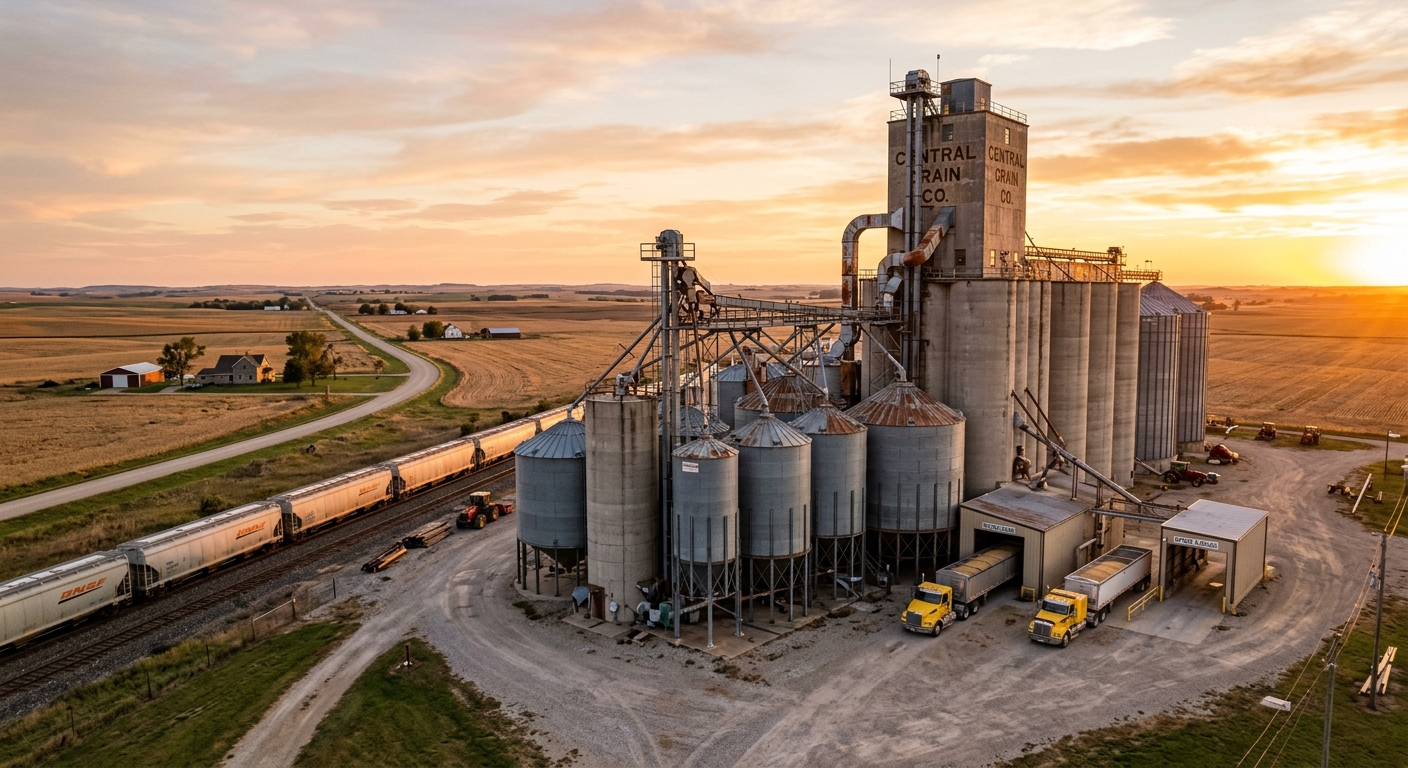
ลองนึกภาพลิฟต์เมล็ดพืชที่มีลิฟต์ถังป้อนอาหารในถังขยะ ซึ่งเชื่อมต่อกันด้วยท่อปิดที่ติดกับตัวกรองช่องระบายอากาศของถังขยะ ประกายไฟจากวัตถุแปลกปลอมจะจุดชนวนฝุ่นภายในตัวกรองช่องระบายอากาศของถังขยะ ด้านหน้าของเปลวไฟจะเดินทางกลับผ่านท่อไปยังส่วนท้ายลิฟต์ของถัง ซึ่งเป็นพื้นที่ที่เต็มไปด้วยฝุ่นในอากาศมากขึ้น โดยปราศจากการแยกออกจากกัน และคุณจะพบกับการระเบิดครั้งที่สองที่มักจะทำลายล้างมากกว่าครั้งแรก
ติดตั้งวาล์วหมุนที่ได้รับการรับรองที่ช่องระบายของตัวกรองและวาล์วพนังบนท่อทางเข้า และเหตุการณ์การจุดระเบิดเดียวกันนั้นจะยังคงอยู่ที่ตัวเรือนตัวกรอง แผงระบายอากาศทำหน้าที่ปล่อยแรงดันออกไปด้านนอก และส่วนอื่นๆ ของโรงงานยังคงทำงานต่อไป นี่เป็นแนวทางแบบเป็นชั้นๆ ที่ระบุไว้ในแนวทางปฏิบัติแนะนำในการป้องกันการระเบิดของฝุ่นในส่วนของเรา ซึ่งทำงานเป็นระบบ ไม่ใช่การแก้ไขแบบสแตนด์อโลน
ข้อผิดพลาดในการกำหนดขนาดที่บ่อนทำลายแม้แต่วาล์วที่ดี
วาล์วหมุนที่ผ่านการรับรองอย่างถูกต้องซึ่งติดตั้งโดยมีอัตราปริมาณงานที่ไม่ถูกต้องนั้นไม่มีประโยชน์ในการใช้งานในฐานะอุปกรณ์แยกเดี่ยว ซึ่งจะทำให้กระบวนการของคุณคอขวด หรือที่แย่กว่านั้นคือ ได้รับการแก้ไขในภาคสนามเพื่อเคลื่อนย้ายวัสดุมากขึ้น โดยเปิดช่องว่างที่ไม่ควรสัมผัส นี่เป็นหนึ่งในความล้มเหลวในสนามที่พบบ่อยที่สุด: ทีมบำรุงรักษาขยายระยะห่างของโรเตอร์เพื่อแก้ไขปัญหาการติด โดยไม่รู้ว่าเพิ่งทำให้ระดับการระเบิดเป็นโมฆะ
ปรับขนาดวาล์วตาม CFM จริงและความหนาแน่นรวมของวัสดุก่อนทุกครั้ง โดยใช้ความเข้มงวดแบบเดียวกับที่คุณใช้เมื่อ ปรับขนาดการไหลเวียนของอากาศและท่อของตัวดักฝุ่น วาล์วที่มีขนาดเล็กกว่าปกติภายใต้แรงกดดันเพื่อให้ทันกับปริมาณงานเป็นสาเหตุเดียวที่พบบ่อยที่สุดที่อุปกรณ์แยกส่วนถูกดัดแปลงในภาคสนาม
การบำรุงรักษา: ส่วนที่ทุกคนข้ามไป
ซีลวาล์วโรตารีสึกหรอ ช่องว่างของโรเตอร์จะเปิดขึ้นเมื่อมีวัสดุที่มีฤทธิ์กัดกร่อนไหลผ่านเป็นเวลาหลายเดือน วาล์วที่จัดระดับ KSt 250 ณ วันติดตั้งอาจหลุดออกจากการรับรองภายในหนึ่งปีหากไม่มีผู้ตรวจสอบระยะห่างตามกำหนดเวลา และไม่มีสัญญาณเตือนที่จะดับลงเมื่อเกิดเหตุการณ์เช่นนี้ มันล้มเหลวอย่างเงียบๆ และคุณจะพบในระหว่างเหตุการณ์ ไม่ใช่ก่อนหน้าเหตุการณ์หนึ่ง
- ตรวจสอบระยะห่างจากโรเตอร์ถึงตัวเรือนทุกไตรมาสเกี่ยวกับการใช้ฝุ่นที่มีฤทธิ์กัดกร่อน
- ตรวจสอบบานพับและบ่าวาล์วพนังว่ามีการกัดกร่อนหรือสะสมฝุ่นเป็นประจำทุกปี
- ทดสอบเซ็นเซอร์ตรวจจับสิ่งกีดขวางทางเคมีและตรวจสอบแรงดันของกระป๋องตามกำหนดเวลาของผู้ผลิต โดยปกติทุกปี
- บันทึกทุกการตรวจสอบโดยเทียบกับใบรับรองการทดสอบการระเบิดดั้งเดิม ไม่ใช่แค่รายการตรวจสอบการบำรุงรักษาทั่วไป
หากทีมของคุณติดตามกำหนดการบำรุงรักษาเครื่องกรองฝุ่นแบบตลับหมึก อยู่แล้ว อุปกรณ์แยกแบบพับจะตรวจสอบจังหวะเดียวกันนั้น ซึ่งจะง่ายกว่ามากในการติดตามเมื่อไม่มีโปรแกรมแยกที่ไม่มีใครจำได้
การเลือกอุปกรณ์แยกสัญญาณที่เหมาะสมสำหรับระบบของคุณ
ไม่มีทางเลือกสากลที่ดีที่สุดที่นี่ ขึ้นอยู่กับรูปทรงของท่อ ค่า KSt ของฝุ่น และความซับซ้อนที่ทีมบำรุงรักษาของคุณสามารถจัดการได้ตามความเป็นจริง อย่างไรก็ตาม มีกฎง่ายๆ บางประการที่ยึดถือในสิ่งอำนวยความสะดวกส่วนใหญ่:
คู่มือการตัดสินใจฉบับย่อ
- ฝุ่นโลหะ High-KSt ท่อขนาดใหญ่: chemical isolation barrier — nothing mechanical reacts fast enough
- ตัวกรองมาตรฐาน/การปล่อยพายุไซโคลน: certified rotary valve — already doing double duty as your metering device
- เดินท่อแนวนอนอย่างง่าย ดัดแปลงโดยคำนึงถึงงบประมาณ: flap or float valve
- สายลำเลียงแบบนิวแมติกยาว: fast-acting gate valve paired with early detection
ไม่ว่าคุณจะตกลงไปบนอะไร อุปกรณ์นั้นจะต้องมีใบรับรองการทดสอบที่ตรงกับลักษณะการระเบิดของฝุ่นเฉพาะของคุณ ไม่ใช่ป้าย ATEX ทั่วไป หากต้องการทราบความเป็นมาเกี่ยวกับวิธีการทำงานของกรอบการรับรอง โปรดดูรายละเอียด ATEX เทียบกับมาตรฐาน IECEx