การระเบิดของไซโลธัญพืชโดยพื้นฐานแล้วเป็นปฏิกิริยาลูกโซ่: ฝุ่นที่แขวนลอยจะจุดไฟ ผลที่ตามมาคือส่วนหน้าของเปลวไฟจะบีบอัดฝุ่นที่ไม่เผาไหม้ที่อยู่ข้างหน้า และภายใน 50 มิลลิวินาที คลื่นความดันอาจทำให้ผนังไซโลที่ไม่มีการป้องกันแตกร้าว ระบบป้องกันฝุ่นที่ติดไฟได้ทำงานโดยโจมตีโซ่นี้ที่จุดสามจุด — ระบายแรงดันก่อนที่โครงสร้างจะล้มเหลว, ระงับเปลวไฟทางเคมีก่อนที่มันจะแพร่กระจาย และแยกท่อที่เชื่อมต่ออยู่เพื่อให้การระเบิดไม่สามารถข้ามไปยังถังถัดไปได้ ทำผิดอย่างใดอย่างหนึ่งและคุณไม่มีระบบป้องกัน คุณมีตัวจับเวลาล่าช้า
สิ่งที่เกิดขึ้นจริงภายใน 100 มิลลิวินาทีแรก
คนส่วนใหญ่วาดภาพการระเบิดของไซโลธัญพืชว่าเป็นการระเบิดครั้งใหญ่ มันไม่ใช่ มันเป็นลำดับ — และการทำความเข้าใจลำดับนั้นคือเหตุผลทั้งหมดที่มีฮาร์ดแวร์ป้องกันอยู่
โดยเริ่มต้นด้วยการจุดระเบิดหลัก: แบริ่งร้อน ประกายไฟโลหะจรจัด มอเตอร์ร้อนเกินไป หรือการปล่อยประจุไฟฟ้าสถิตในอากาศแห้งในฤดูหนาว การจุดระเบิดนั้นต้องการพลังงานเพียงประมาณ 30 มิลลิจูลเพื่อกำจัดเมฆฝุ่นเมล็ดพืชที่มีความเข้มข้นที่เหมาะสม (โดยทั่วไปคือ 50–100 กรัม/ลบ.ม.) ภายใน 10 มิลลิวินาทีแรก จะเกิดเปลวไฟเคอร์เนล ภายในเวลา 30 มิลลิวินาที หน้าเปลวไฟจะเคลื่อนที่ที่ 10–30 เมตร/วินาที และความดันภายในไซโลจะเพิ่มขึ้นเกิน 0.2 บาร์ ภายในเวลา 50–80 มิลลิวินาที ไซโลที่ไม่มีการป้องกันที่สร้างขึ้นสำหรับการโหลดแบบคงที่จะพบว่าส่วนหัวหรือผนังเสียหาย
แต่นี่คือสิ่งที่ผู้ควบคุมชิ้นส่วนลืมไป: การระเบิดครั้งแรกแทบไม่เคยสร้างความเสียหายร้ายแรงที่สุดเลย คลื่นความดันเดินทางผ่านท่อดักฝุ่น สายพานลำเลียง และลิฟต์ถัง เตะฝุ่นที่เกาะตัวออกจากขอบและคานส่วนอื่นๆ ในโรงงาน ฝุ่นในอากาศนั้นไปบรรจบกับเปลวไฟด้านหน้า และคุณก็จะเกิดการระเบิดครั้งที่สอง ซึ่งมักจะสร้างความเสียหายมากกว่าครั้งแรกถึงสิบเท่า ภัยพิบัติโรงกลั่นน้ำตาลอิมพีเรียลชูการ์ในรัฐจอร์เจียเมื่อปี 2551 ซึ่งทำให้คนงานเสียชีวิต 14 ราย ถือเป็นเหตุการณ์ระเบิดครั้งที่สองตามตำราเรียน
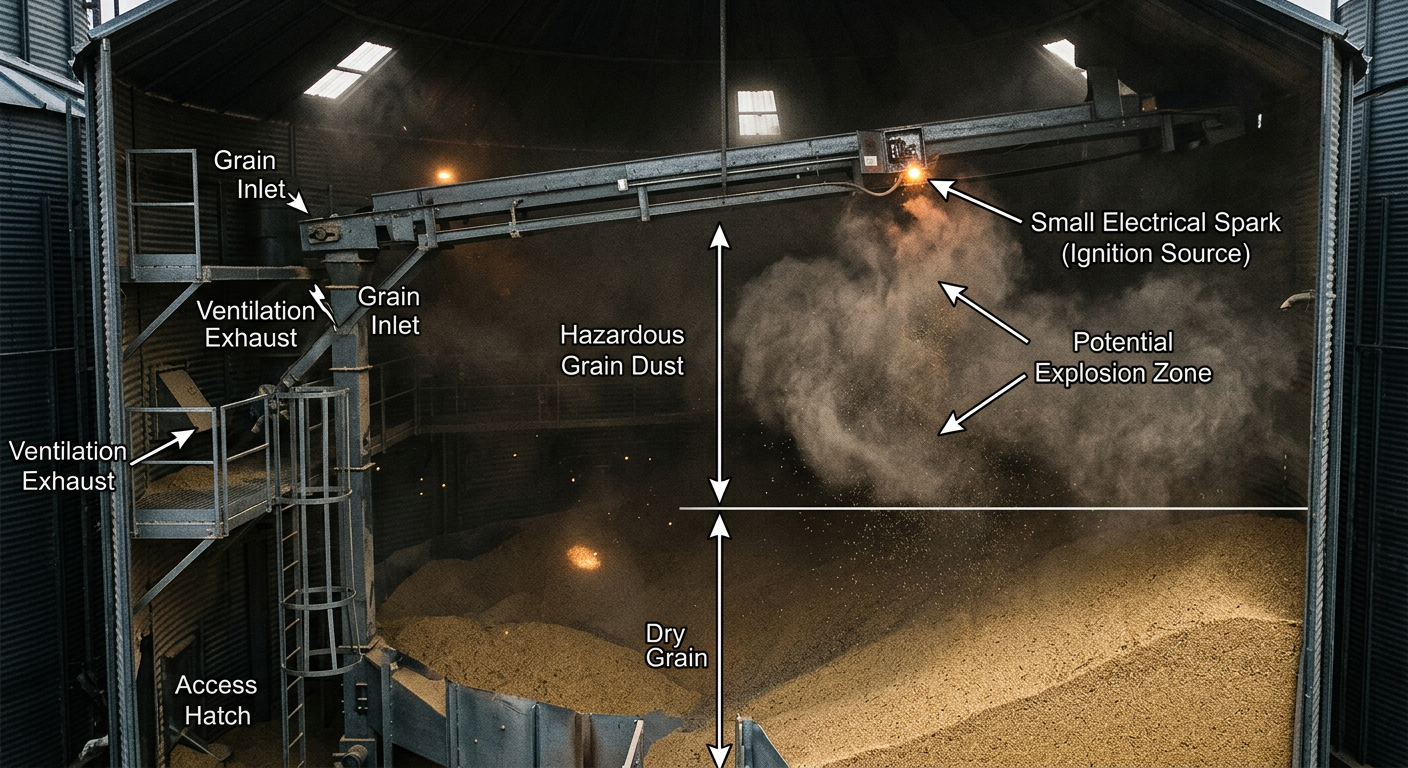
เหตุใดฝุ่นเมล็ดพืชจึงน่ารังเกียจเป็นพิเศษ
ฝุ่นที่ติดไฟได้บางชนิดมีพฤติกรรมเหมือนกัน ฝุ่นเมล็ดพืช เช่น ข้าวสาลี ข้าวโพด ถั่วเหลือง ข้าวบาร์เลย์ อยู่ในจุดอันตรายที่ทำให้จัดการได้ยากกว่าถ่านหินหรือไม้
- พลังงานการจุดระเบิดขั้นต่ำต่ำ: 30–60 mJ. A static spark from a worker's coat can do it.
- ค่า Kst 100–150 bar·m/s: classified as a Class St 1 dust, which sounds mild but means a vented silo still needs to handle several bar of overpressure.
- ขนาดอนุภาคต่ำกว่า 75 ไมครอน: the fine fraction generated by handling and transport stays airborne for minutes.
- ความไวต่อความชื้น: below 13% moisture content, ignitability climbs sharply. Winter grain in a heated facility is the worst case.
ตัวอย่างเช่น ผู้แปรรูปถั่วเหลืองในแถบมิดเวสต์ที่เราร่วมงานด้วย พบว่าเพียงการเปลี่ยนเส้นทางสายพานลำเลียงแบบนิวแมติก ซึ่งสร้างค่าปรับจากการขัดสีการกระแทกที่ข้อศอกทุกด้าน ทำให้ปริมาณฝุ่นในไซโลรับลดลง 40% ไม่มีฮาร์ดแวร์ใหม่ เพียงแค่กำหนดเส้นทางที่ดีกว่า นั่นเป็นรายละเอียดที่ไม่ปรากฏในการตรวจสอบความปลอดภัยทั่วไป
การระบายระเบิด: แนวป้องกันแนวแรก
ช่องระบายอากาศคือฮีโร่แห่งความปลอดภัยจากฝุ่น เป็นแบบพาสซีฟ ราคาถูก และทำงานได้ในหน่วยมิลลิวินาที โดยไม่ต้องใช้อุปกรณ์อิเล็กทรอนิกส์ใดๆ
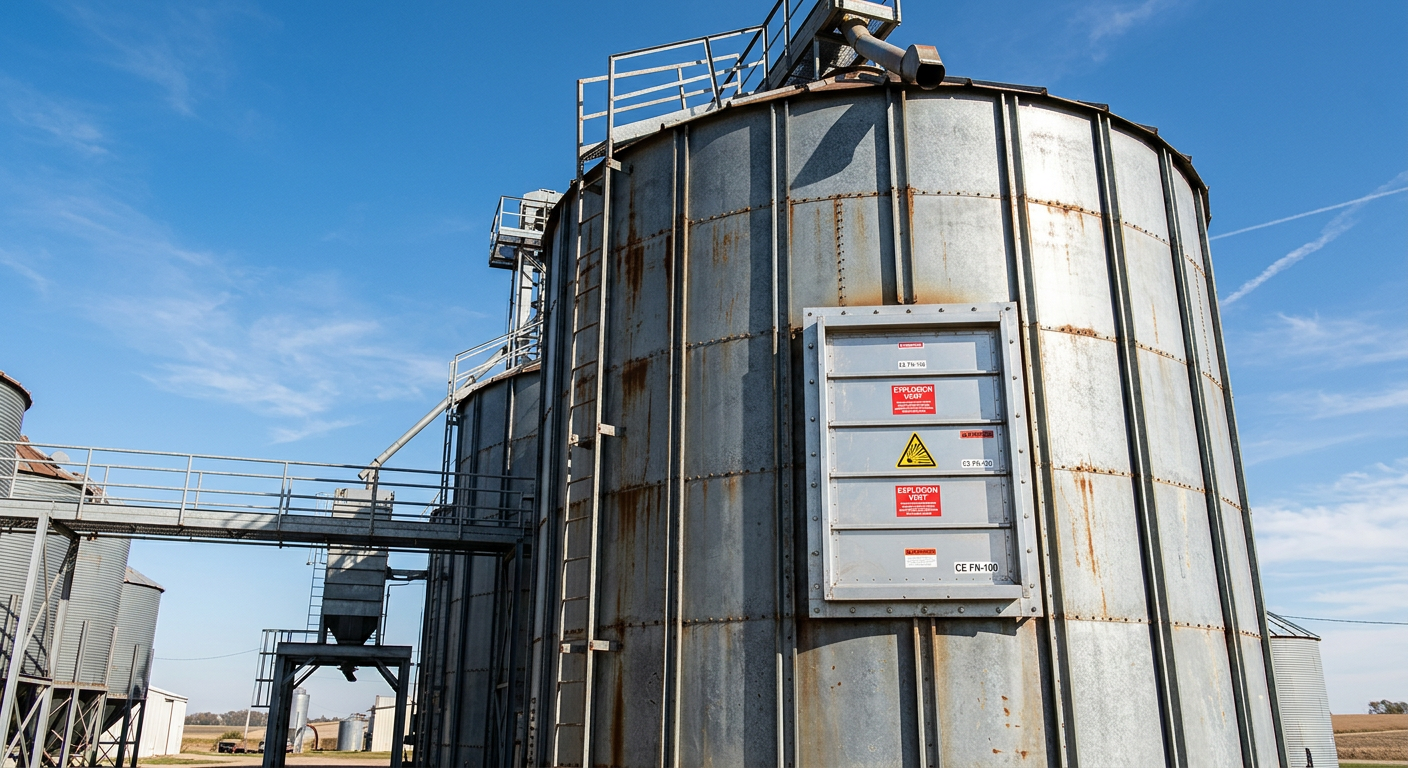
แผงระบายอากาศคือจุดอ่อนที่ได้รับการปรับเทียบแล้วในผนังไซโล โดยปกติแล้วจะเป็นแผ่นแตกที่เป็นสเตนเลสสตีลซึ่งมีรูปแบบการให้คะแนนที่ออกแบบมาให้ทำงานล้มเหลวที่แรงดันที่แม่นยำ โดยทั่วไปคือ 0.1 บาร์ (10 kPa) เมื่อความดันภายในเพิ่มขึ้นระหว่างที่เกิดการระเบิด แผงจะเปิดออกก่อนที่โครงสร้างของไซโลจะถึงขีดจำกัด เพื่อปล่อยลูกบอลเปลวไฟและคลื่นแรงดันไปยังพื้นที่กลางแจ้งที่ปลอดภัย
การกำหนดขนาดคือจุดที่การออกแบบส่วนใหญ่ผิดพลาด
การคำนวณพื้นที่ระบายอากาศเป็นไปตาม EN 14491 หรือ NFPA 68 พื้นที่ที่ต้องการจะปรับขนาดตามปริมาตรถัง, Kst และความดันการระเบิดที่ลดลง (Pred) ที่ไซโลสามารถอยู่รอดได้ ไซโลเหล็กขนาด 200 ตร.ม. ที่ใช้จัดการฝุ่นข้าวสาลีมักต้องการพื้นที่ระบายอากาศ 4–6 ตร.ม. ขนาดเล็กลงถึง 20% และ Pred ก็ปีนขึ้นไปเหนือจุดแข็งของการออกแบบของไซโล เราได้เห็นการปรับปรุงใหม่โดยมีบริเวณช่องระบายอากาศในทางเทคนิคแต่หันไปทางช่องบรรทุกที่ไม่มีคนอยู่ ซึ่งถือเป็นตัวเลือกการออกแบบที่อันตรายถึงชีวิต ช่องระบายอากาศต้องระบายออกสู่พื้นที่ปลอดโปร่ง โดยทั่วไปมีรัศมีอันตราย 10–15 เมตร
เมื่อการระบายอากาศภายนอกไม่ใช่ทางเลือก
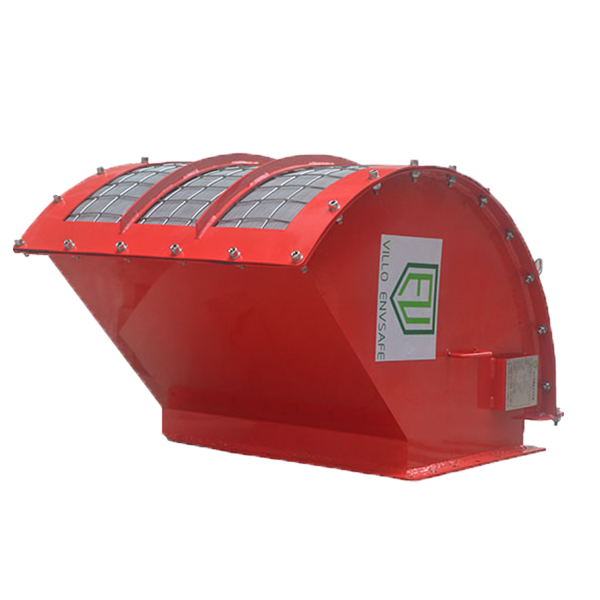
ไซโลในร่มหรืออาคารที่อยู่ใกล้คนใช้อุปกรณ์ระบายอากาศไร้เปลวไฟ ซึ่งมีองค์ประกอบดับตาข่ายสแตนเลส เปลวไฟจะถูกทำให้เย็นลงต่ำกว่าอุณหภูมิที่ติดไฟได้อัตโนมัติของฝุ่นเมล็ดพืชขณะที่มันไหลผ่านตาข่าย จึงมีเฉพาะก๊าซเย็นเท่านั้นที่ออกมา บรรเทาความดันโดยไม่ต้องใช้ลูกไฟ
การแยกการระเบิด: การหยุดลูกไฟที่ท่อ
การระบายอากาศเพียงอย่างเดียวช่วยปกป้องไซโล มันไม่ทำอะไรเลยกับอุปกรณ์ที่เชื่อมต่ออยู่ นั่นคือจุดที่การแยกตัวเข้ามา และจุดที่สิ่งอำนวยความสะดวกแบบเก่าส่วนใหญ่ไม่ปฏิบัติตามอย่างเงียบๆ
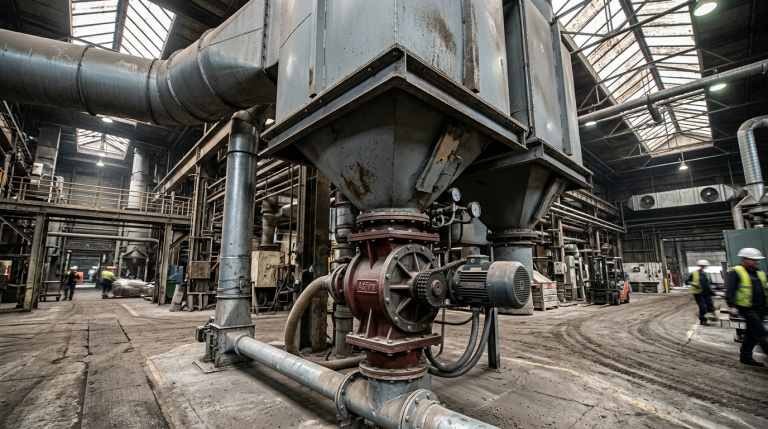
ไซโลเมล็ดพืชมักไม่ค่อยเป็นภาชนะแบบสแตนด์อโลน โดยเชื่อมต่อกับกะพ้อลิฟต์ สายพานลำเลียงแบบลาก เครื่องดักฝุ่น และสายขนส่งแบบนิวแมติก การระเบิดในไซโลจะแพร่กระจายผ่านสิ่งใดสิ่งหนึ่งด้วยความเร็วเปลวไฟที่ใกล้ถึง 100 เมตร/วินาที หากปราศจากการแยกตัว Baghouse ดาวน์สตรีมของคุณจะกลายเป็นระเบิดลูกต่อไป
กลยุทธ์การแยกหลักสองประการ:
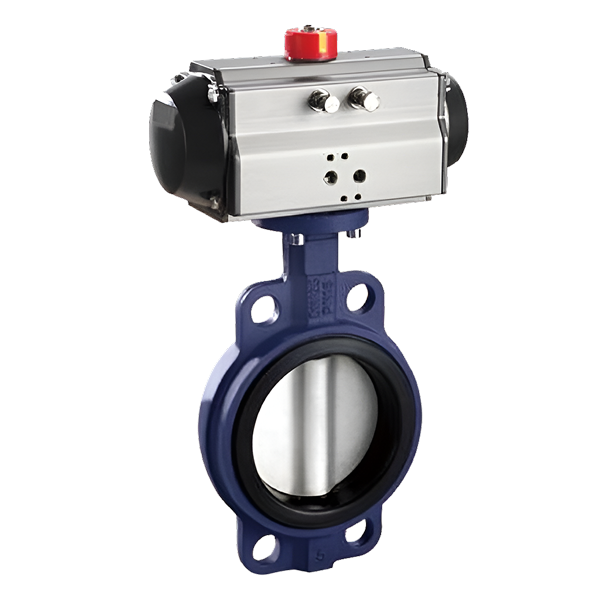
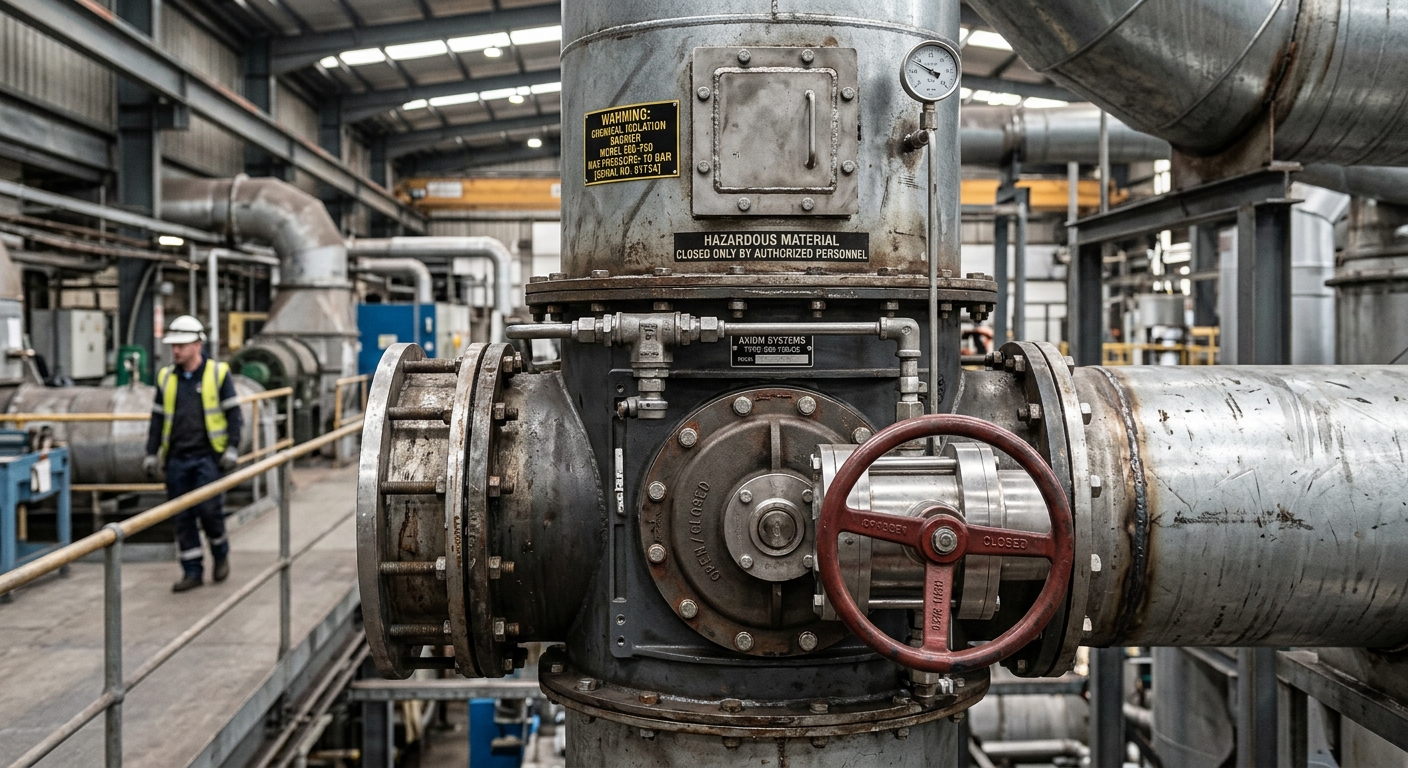
- การแยกทางกล: a fast-acting knife gate or float valve closes the duct within 30–50 ms. Passive float valves are elegant — the pressure wave itself slams them shut.
- การแยกสารเคมี: an optical or pressure detector triggers a chemical barrier (typically sodium bicarbonate) injected across the duct cross-section, extinguishing the flame mid-flight.
หากคุณกำลังชั่งน้ำหนักคำถามเกี่ยวกับกลยุทธ์ที่กว้างขึ้น การแยกย่อยของการแยกการระเบิดและการระบายการระเบิดของเราจะอธิบายตรรกะการตัดสินใจโดยละเอียดยิ่งขึ้น
ระบบปราบปราม: เมื่อคุณไม่สามารถระบายได้เลย
ไซโลบางแห่งตั้งอยู่ภายในอาคารหลายชั้น ใกล้บริเวณขนถ่ายราง หรือในโรงงานที่ได้รับการปรับปรุงใหม่ซึ่งไม่มีเส้นทางระบายอากาศ สำหรับสิ่งเหล่านี้ การปราบปรามอย่างแข็งขันคือคำตอบ
ระบบปราบปรามใช้เครื่องตรวจจับความดัน (เวลาตอบสนองต่ำกว่า 2 มิลลิวินาที) ซึ่งต่อสายเข้ากับขวดที่มีอัตราการคายประจุสูงซึ่งชาร์จด้วยโซเดียมไบคาร์บอเนตหรือโมโนแอมโมเนียมฟอสเฟตที่ 60 บาร์ไนโตรเจน เมื่อเครื่องตรวจจับเห็นว่าแรงดันเพิ่มขึ้น 50 มิลลิบาร์ในช่วงสองสามมิลลิวินาทีแรกของการระเบิด ขวดจะยิงสารระงับเข้าไปในไซโลผ่านหัวฉีดครึ่งทรงกลม เปลวไฟจะถูกดับด้วยสารเคมีก่อนที่แรงดันจะเกิน 0.5 บาร์ ซึ่งอยู่ภายในขีดจำกัดโครงสร้างของไซโล
สิ่งที่จับได้: ระบบปราบปรามมีราคาแพง (มักจะระบายอากาศประมาณ 3–5 เท่า) และต้องมีการทดสอบเครื่องตรวจจับ แผงควบคุม และแรงดันขวดอย่างเข้มงวดทุกไตรมาส ความล้มเหลวในการตรวจสอบทั่วไปคือการพบแรงดันเชื้อเพลิงขับเคลื่อนไนโตรเจนที่ 80% ของข้อมูลจำเพาะ ซึ่งหมายความว่าขวดจะคายประจุช้าหลังจากการระเบิดได้เสร็จสิ้นการทำงานแล้ว
การตรวจจับประกายไฟมีความเกี่ยวข้องกันอย่างใกล้ชิด และมักใช้งานต้นทางของไซโล ในขั้นตอนการลำเลียงหรือการขนส่งแบบนิวแมติก ภาพรวมของเราเกี่ยวกับระบบตรวจจับและดับประกายไฟ ครอบคลุมถึงวิธีที่เซ็นเซอร์ IR จับถ่านที่ลุกไหม้ก่อนที่จะถึงพื้นที่ส่วนหัวของไซโล
บทบาทของการรวบรวมฝุ่นในการป้องกันการจุดระเบิดตั้งแต่แรก
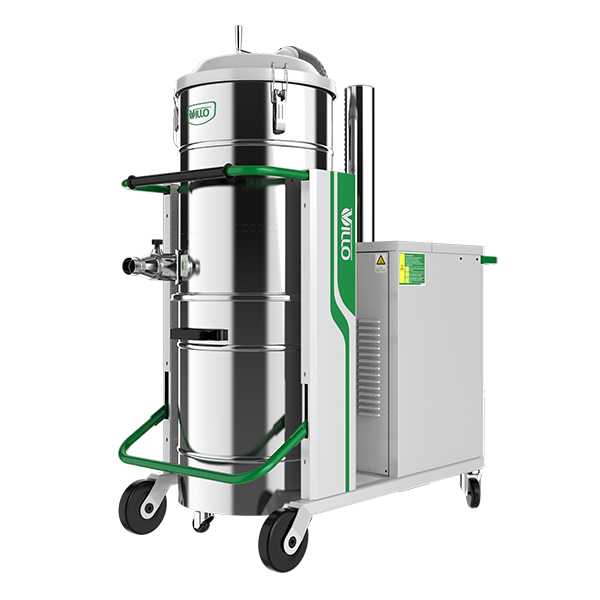
ระบบป้องกันจะจัดการกับสถานการณ์ที่เลวร้ายที่สุด แต่การระเบิดที่ถูกที่สุดคือการระเบิดที่ไม่เคยเกิดขึ้น การรวบรวมฝุ่นที่ออกแบบมาอย่างเหมาะสมที่จุดถ่ายโอน ถังชั่งน้ำหนัก และช่องระบายอากาศของไซโล ช่วยให้ความเข้มข้นของอากาศที่ลอยอยู่ในอากาศต่ำกว่าขีดจำกัดล่างของการระเบิด (LEL)
สำหรับฝุ่นเมล็ดพืช LEL จะอยู่ที่ประมาณ 50 กรัม/ลบ.ม. การทำงานที่น้อยกว่า 25% ของ LEL เป็นเป้าหมายมาตรฐาน ซึ่งต้องใช้ความเร็วในการดักจับ 1–1.5 ม./วินาที ที่ทุกจุดถ่ายโอน และพื้นที่สื่อกรองที่มีขนาดเพียงพอสำหรับอัตราส่วนอากาศต่อผ้า 1.5–2.0 ม.3/นาที ต่อ ตร.ม. สำหรับตัวสะสมคาร์ทริดจ์พัลส์เจ็ท
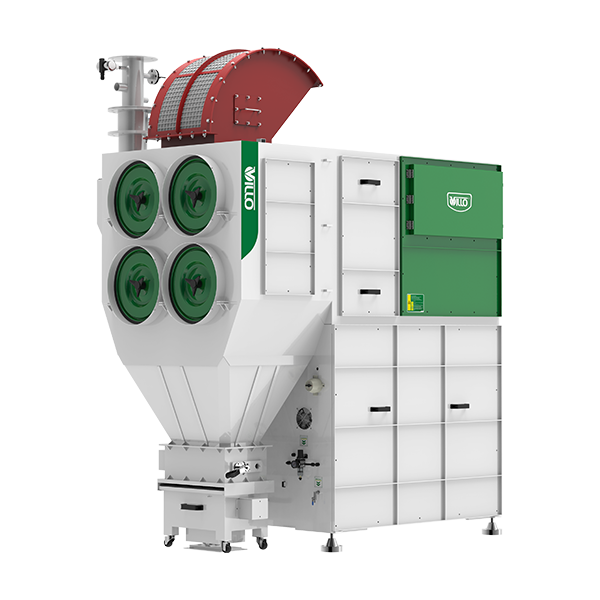
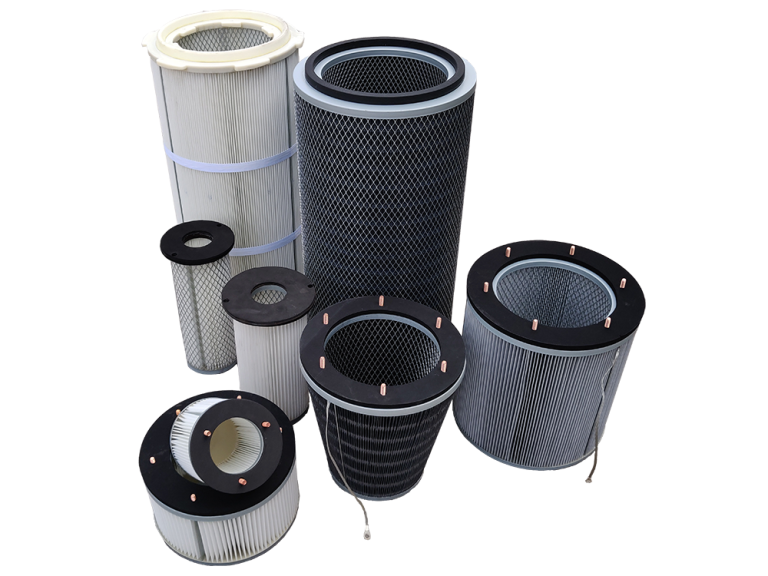
ตัวสะสมเองก็ต้องการการปกป้องเช่นกัน ตัวเก็บฝุ่นที่จัดการฝุ่นเมล็ดข้าวเองก็มีความเสี่ยงหลักในการระเบิด Baghouse ที่ได้รับการจัดอันดับ ATEX ที่มีการระบายอากาศของตัวเอง วาล์วแยกบนท่อทางเข้า และถุงกรองป้องกันไฟฟ้าสถิตแบบต่อสายดินเป็นพื้นฐาน กลไกของวิธีที่ตัวกรองเหล่านั้นทำความสะอาดตัวเองอยู่เสมอได้อธิบายไว้ในคำแนะนำการทำความสะอาดแบบพัลส์เจ็ทภายในเครื่องดักฝุ่นของเรา
เค้าโครงในโลกแห่งความเป็นจริง: ชิ้นส่วนเหล่านี้เข้ากันได้อย่างไร
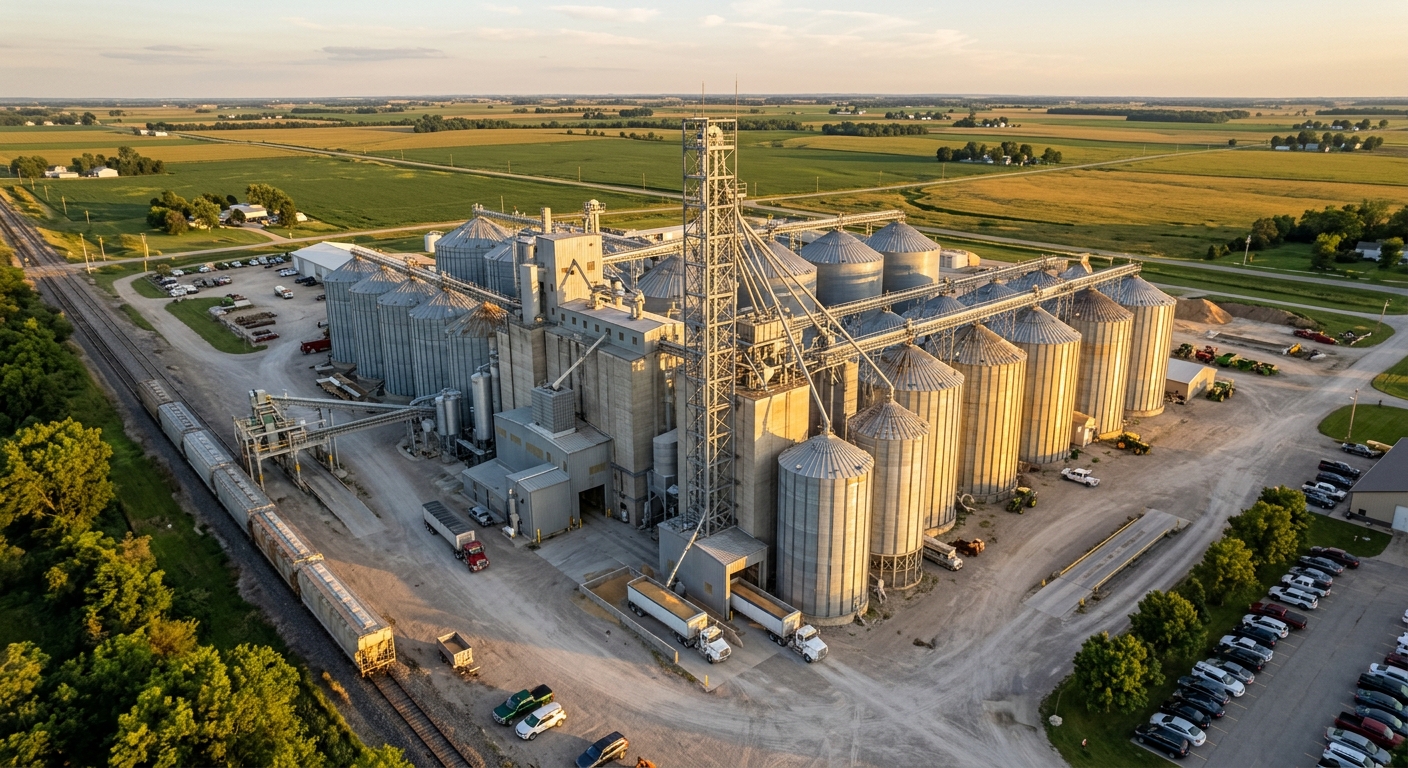
มาดูโรงอาหารสัตว์ขนาดกลางที่มีไซโลรับกลางแจ้งขนาด 150 ลูกบาศก์เมตร สี่ถัง ลิฟต์ถัง และเครื่องกำจัดฝุ่นส่วนกลางกัน ต่อไปนี้คือรูปแบบการป้องกันที่สามารถป้องกันได้:
- แต่ละไซโล: 4.5 m² vent panel on the roof discharging upward to a clear zone. Pressure detector tied to a control panel for incident logging.
- ลิฟต์ถัง: vent panels on the head and boot, plus a passive float valve on the discharge spout.
- สายการขนส่งแบบนิวแมติกเข้าสู่ไซโล: chemical isolation barriers within 8 m of each silo inlet.
- ตัวเก็บฝุ่นส่วนกลาง: ATEX-certified, with explosion vent on the dirty side, flameless device option if located indoors, and a fast-acting knife gate on the inlet duct.
- สายพานลำเลียงพรีไซโล: spark detection with water-mist extinguishing.
- การติดและการต่อสายดิน: every silo, duct, and conveyor section verified at less than 10 ohms to earth.
หากต้องการดูรายละเอียดเชิงลึกว่าองค์ประกอบเหล่านี้รวมกันเป็นระบบเดียวได้อย่างไร แทนที่จะเป็นกองอุปกรณ์อิสระ โปรดดูการออกแบบอ้างอิงของเราสำหรับระบบรวบรวมฝุ่นส่วนกลางและป้องกันการระเบิด การปฏิบัติต่อสิ่งเหล่านี้เป็นแพ็คเกจทางวิศวกรรมชิ้นเดียว แทนที่จะซื้อส่วนประกอบทีละน้อย เป็นสิ่งที่แยกโรงงานที่ปฏิบัติตามข้อกำหนดออกจากโรงงานที่ผ่านการตรวจสอบแต่ยังคงไม่ปลอดภัย
การบำรุงรักษา: เมื่อระบบที่ดีกลายเป็นสิ่งไร้ประโยชน์ไปอย่างเงียบๆ
ระบบการป้องกันทุกระบบมีวันหมดอายุโดยวัดจากรอบการตรวจสอบ ไม่ใช่ปี แผงระบายอากาศที่เคลือบมูลนกสามฤดูหนาวจะไม่เปิดที่ 0.1 บาร์อีกต่อไป แต่จะเปิดที่ 0.25 บาร์ ซึ่งสูงกว่าที่ไซโลของคุณสามารถทำได้มาก
ตารางการบำรุงรักษาขั้นต่ำสำหรับสถานที่จัดการธัญพืช:
- รายเดือน: visual inspection of vent panels, isolation valves, and detector lenses.
- รายไตรมาส: functional test of detector circuits, control panel batteries, and suppression bottle pressures.
- เป็นประจำทุกปี: replace optical detector windows, recalibrate pressure sensors, verify grounding continuity, and replace any bag filters showing pinhole leaks.
- ทุก 5 ปี: replace explosion vent panels regardless of visual condition — fatigue from thermal cycling and minor pressure fluctuations changes burst characteristics.
จุดเริ่มต้นในทางปฏิบัติคือการขยายมุมมองความเสี่ยงจากฝุ่นที่ติดไฟโดยรวมของคุณให้กว้างขึ้นก่อน คำแนะนำของเราเกี่ยวกับสาเหตุและการดำเนินการป้องกันการระเบิดของฝุ่นเป็นข้อมูลอ้างอิงที่เป็นประโยชน์ในการสร้างหรือตรวจสอบโปรแกรมการบำรุงรักษา
การนำไปปฏิบัติ
การป้องกันไซโลธัญพืชไม่ใช่อุปกรณ์เดียว มาตรฐานเดียว หรือการตรวจสอบเดียว มันเป็นระบบแบบหลายชั้น — การป้องกันด้วยการจับและการต่อสายดิน การบรรเทาผลกระทบด้วยการระบายอากาศและการแยก และการปราบปรามบรรทัดสุดท้ายที่การระบายอากาศไม่สามารถเข้าถึงได้ ข้ามเลเยอร์แล้วคณิตศาสตร์จะหยุดทำงาน
หากคุณกำลังปรับขนาดไซโลใหม่ ติดตั้งโรงงานเก่าเพิ่มเติม หรือเพียงพยายามทำความเข้าใจว่าสิ่งที่คุณมีอยู่แล้วช่วยปกป้องผู้คนและทรัพย์สินของคุณอย่างแท้จริงหรือไม่ ทีมวิศวกรของ villotech สามารถตรวจสอบเค้าโครงของคุณ ดำเนินการคำนวณการระบายอากาศ และระบุฮาร์ดแวร์แยกและปราบปรามที่ตรงกับขอบเขตการปฏิบัติงานจริงของคุณ แทนที่จะเป็นเทมเพลตทั่วไป ติดต่อผ่าน villotech.com เมื่อคุณพร้อมที่จะเจาะลึกข้อมูลเฉพาะ